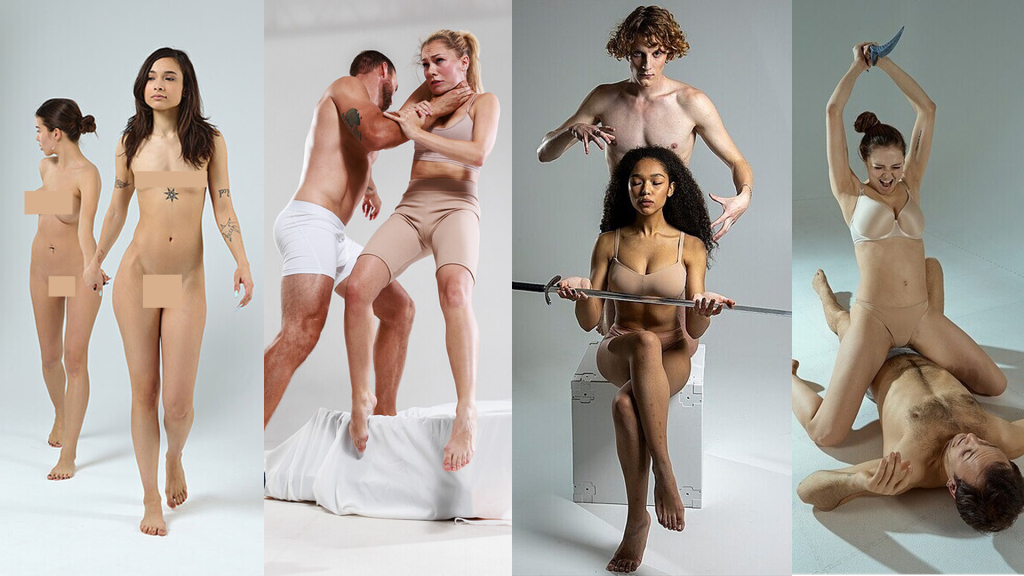
From the field to the canvas: capturing athletic essence with all kinds of sport poses

These sport poses will definitely bring your A game into your art! Find the right athletic sport poses to create art that captures emotion of high stakes sports. Make your art Olympian worthy!
Use the following code to get 20% off on your first purchase CB-D111490F (cubebrush only)

Ultimate Female Sports Poses: Rugby & Baseball | 1230+ Artist Reference Photo Pack
by Mels Ref Images · Cubebrush · 1,200+ images · Photos
![Preview of Box and Hockey Pose [1700+ Reference Images BUNDLE]](https://drawing-reference.com/wp-content/uploads/2026/09/mels-art-box-and-hockey-pose-1700-reference-images-bundle.jpg)
Box and Hockey Pose [1700+ Reference Images BUNDLE]
by Mels Ref Images · Cubebrush · 1,700+ images · Photos
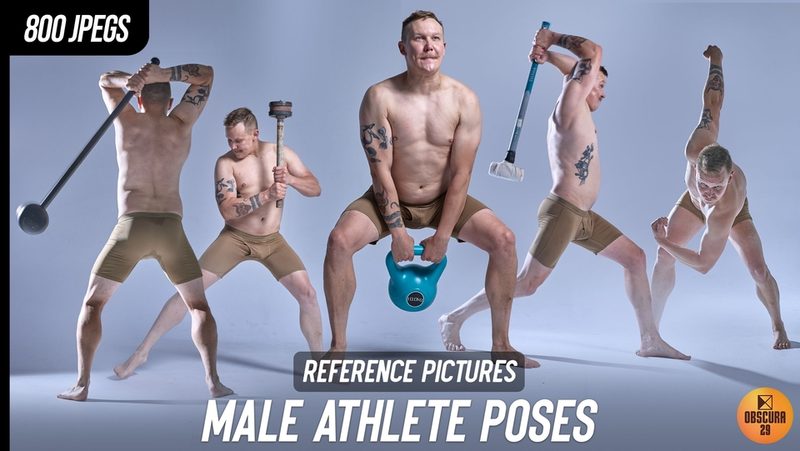
800 Athlete Male Poses Reference Pictures
by Obscura std · Cubebrush · 800+ images · Photos

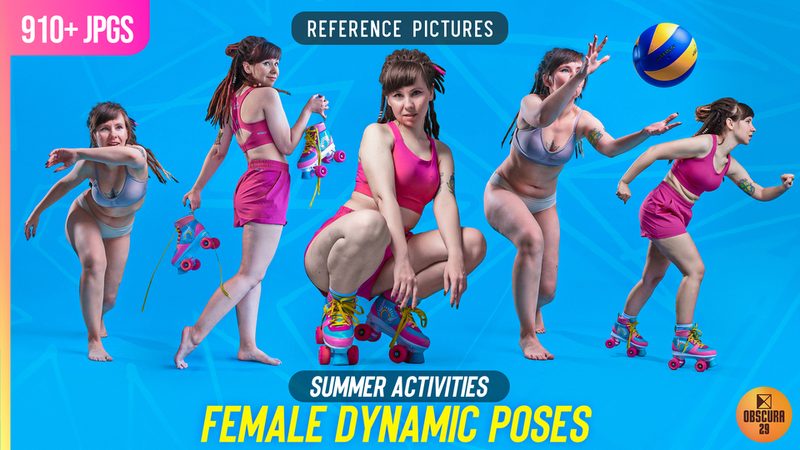
910 Female Dynamic Poses Reference Pictures
by Obscura std · Cubebrush · 910+ images · Photos
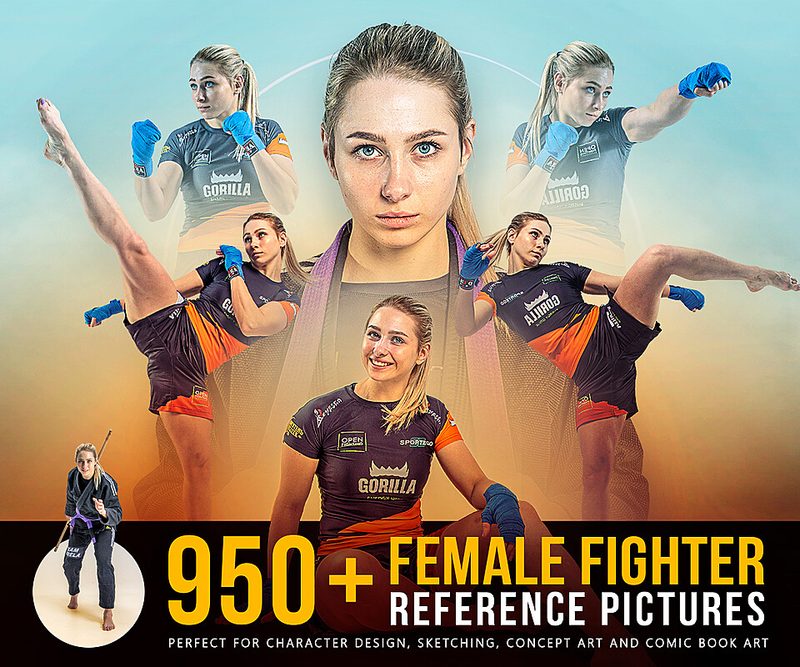
950+ Female Fighter Reference Pictures
by Grafit Studio · Cubebrush · 950+ images · Photos
Why sports inspire art
Sports aren’t just about scores or competition. They’re a rich source of visual and emotional inspiration. Think about the energy of a live match—the crowd’s roar, the tension in the air before a penalty kick, or the fluid grace of a gymnast mid-routine. These moments are packed with drama, movement, and raw human emotion, all of which can fuel your art.
This post is about taking that energy and translating it into your work. Whether you’re sketching a dynamic pose, painting a scene from a memorable game, or creating an abstract piece inspired by the spirit of competition, sports offer endless possibilities. The goal isn’t just to draw an athlete, it’s to capture the epic moment in the sport event.
The emotional pull of sports
Sports are emotional. They’re about triumph, disappointment, perseverance, and fleeting moments of brilliance. These emotions are what make sports so relatable—and why they can be such a powerful foundation for art.
Consider the intensity of a sprinter lunging across the finish line, every muscle straining for that final push. Or the quiet focus of a basketball player lining up a free throw, the weight of the game resting on their shoulders. These moments tell stories, and as artists, we can translate those stories into visual narratives.
The key is to start with what moves you. Maybe it’s the underdog’s victory, the teamwork in a relay race, or the solitary determination of a marathon runner. Whatever it is, let that emotion guide your creative process. When your art connects with genuine feeling, it resonates with others, too.
Finding your inspiration
You don’t need to focus solely on professional athletes or high-stakes competitions to find compelling subject matter. Some of the most authentic and dynamic moments happen in local games, school sports, or even a casual pickup match at the park. These settings often strip away the polish of professional sports, revealing raw emotion and unfiltered energy.
Pay attention to the details in sport poses and other references: the way sunlight cuts across the field in the late afternoon, the way an athlete’s body shifts as they pivot or jump, or the reactions of the crowd—whether it’s a handful of parents cheering from the sidelines or friends playfully heckling each other. These small, real-life moments can serve as the foundation for artwork that feels genuine and relatable.
If you’re stuck, try visiting a local game or even watching amateur sports videos online. Look for the moments that feel unscripted and full of life. Those are the ones that will bring authenticity to your art.
Techniques for capturing motion with sport poses
Motion is at the heart of sports, and capturing it convincingly is what separates a static illustration from one that feels alive. The first step is to break down movement into its core components. Start with quick, loose sketches to map out the flow of action. Don’t worry about perfection—focus on understanding the rhythm of the movement.
Reference material is your best friend here. Use photos or videos to study how muscles tense during a sprint, how fabric folds when an athlete twists, or how hair and equipment react to sudden movements. These details add realism and dynamism to your work.
When you move to digital art, tools like motion blur can help emphasise speed, while dynamic brushstrokes can mimic the energy of the scene. For example, if you’re drawing a soccer player mid-kick, concentrate on the angle of the leg, the position of the foot, and the tension in the torso and arms. A slight blur on the kicking leg or the ball can suggest movement, while sharp, clean lines on the stationary leg ground the figure in space.
Another technique is to exaggerate certain elements, like the stretch of a limb or the arc of a jump—to heighten the sense of action. The goal isn’t just to replicate what you see but to convey the feeling of motion. Experiment with different approaches until the energy of the moment comes through in your artwork. The sport poses above will definitely help you in catching that sport moment!
Using colour to convey emotion
Colour is one of your most powerful tools for setting the mood in sports-inspired art. A bright, high-contrast palette—think vibrant reds, electric blues, and bold yellows—can amplify the energy of a celebratory moment, like a last-second winning goal or a sprinter breaking the tape. On the other hand, muted tones—soft greys, deep greens, or warm browns—might better suit moments of quiet focus, such as an archer drawing a bow or a swimmer poised at the starting block.
Lighting plays a crucial role, too. Harsh, directional shadows can heighten drama, making muscles and movement appear more dynamic. Soft, diffused light, however, can create a dreamy or introspective atmosphere, perfect for capturing the solitude of a long-distance runner or the calm before a race.
Don’t forget to consider the environment. A sunlit track at noon will have a vastly different colour palette than a dimly lit indoor gym or a rain-soaked field under overcast skies. Each setting offers its own mood and opportunities for creative expression. Use these elements to reinforce the emotion you want your artwork to convey.
Bringing it all together: a case study
Let’s walk through the process of creating a digital piece inspired by a basketball dunk—a moment packed with energy, precision, and drama.
Step 1: Sketching the foundation Start with rough sketches to explore the composition. Focus on the athlete’s pose: the bend of the knees as they gather momentum, the extension of the arm reaching for the rim, and the arc of the ball. Play with angles—maybe a low perspective to emphasise the height of the jump or a side view to highlight the athlete’s form.
Step 2: Refining the details Once you’ve settled on a composition, refine the lines. Pay attention to the tension in the muscles, the way the jersey folds, and the position of the hands. These details make the action feel real. If you’re working digitally, use a separate layer for the ball to experiment with its trajectory and motion.
Step 3: Adding colour and contrast Choose a colour palette that reflects the intensity of the moment. Warm tones—oranges, reds, and golds—can draw attention to the player, while cooler blues or greens in the background create contrast and depth. Consider the lighting in the gym: overhead lights might cast sharp shadows, adding to the drama of the scene.
Step 4: Enhancing with digital effects Use tools like motion blur to emphasise the speed of the dunk. A subtle blur on the player’s arm or the ball can make the action feel more dynamic. Experiment with textures, too—maybe a slight grain to mimic the look of a sports photograph or a glow effect to highlight the focal point.
Tools like Procreate, Photoshop, or Krita offer layers, blending modes, and brushes that can help you fine-tune these elements. Don’t be afraid to iterate: try different effects, adjust the colours, and refine the composition until it feels right.
Practical tips for your workflow
Gather references Collect visual material like the sport pose references to inform your work. Use photos, videos, or even attend live events to observe movement, lighting, and atmosphere firsthand. The more references you have, the richer your artwork will be.
Sketch first Work out your ideas on paper or in a digital sketchbook before diving into a final piece. Sketching helps you explore compositions, poses, and perspectives without the pressure of perfection.
Experiment with styles Sports art doesn’t have to be hyper-realistic. Try abstract interpretations, stylised illustrations, or even mixed-media approaches. Each style offers a unique way to convey the energy and emotion of the moment.
Share your process Posting work-in-progress shots on social media or art communities can engage your audience and invite valuable feedback. It also builds anticipation for the final piece and connects you with fellow artists who share your interests.
Your turn to create with sport poses
Sports are a goldmine of inspiration for digital artists. The key is to observe closely, experiment freely, and let your personal perspective shape your work. Whether you’re drawn to the high-energy moments of team sports or the quiet determination of individual athletes, there’s a story waiting to be told through your art.
Start with a sport or moment that excites you. Gather your sport pose references, sketch out your ideas, and don’t be afraid to take creative risks. Share your work with your community—you might just inspire others to see the beauty, drama, and emotion in sports through a new lens. Now, grab your tools and start creating.