Why beginners struggle with art pose references (and how to use them right)
Last Updated on 4 October, 2025 by Armored Pencil
The frustration of drawing without guidance
You’re just starting to draw people, and every time you try, something feels off. The arms are too long, the legs look stiff, or the pose just doesn’t feel natural. You know you need to practice, but without a clear reference, it’s hard to tell what’s wrong—or how to fix it. So this is where art pose references comes in.
Maybe you’ve tried searching for art pose references online, but the results are overwhelming. Some images are blurry, others are poorly lit, and many don’t show the angles or actions you need. You might even find free references, but they’re often limited to basic poses that don’t help you improve.
Worse, you’re not sure how to use these references. Should you copy them exactly? How do you translate a 2D image into a 3D understanding of the body? Without guidance, it’s easy to feel stuck, second-guessing every line you draw.
Drawing with clarity and confidence
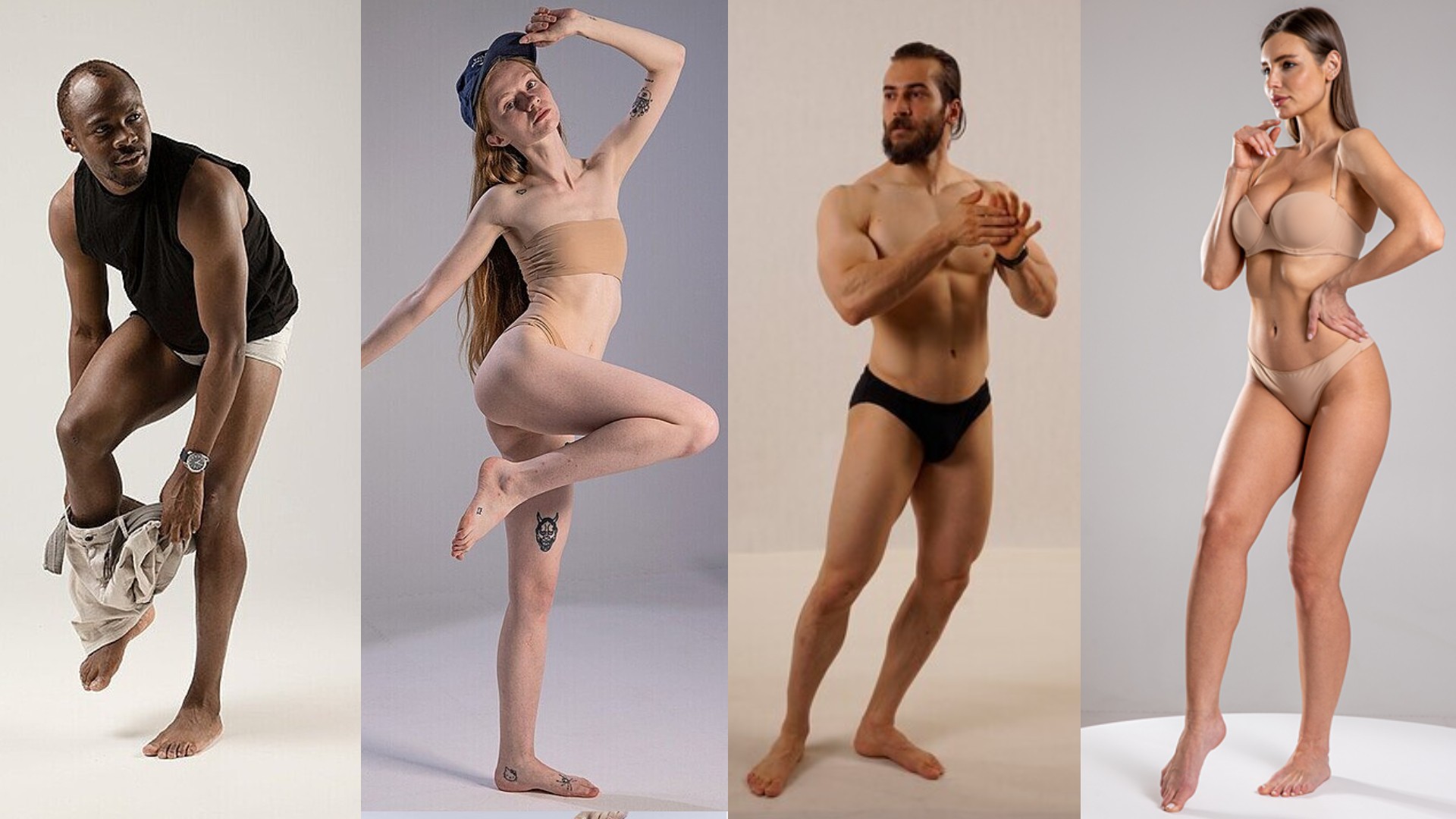
Now, imagine having a library of high-quality art pose references that are easy to understand and tailored to beginners. Each reference is clear, well-composed, and organized by subject—like couples, individual figures, or dynamic actions—so you can focus on what you need to learn.
You start by studying the pose, noticing how the body balances, how the limbs connect, and where the weight is distributed. You sketch lightly, using the reference as a guide but not a crutch. Over time, you begin to see patterns: how the torso twists, how the hips align with the shoulders, and how small adjustments make a pose feel alive.
Your drawings improve because you’re not just copying; you’re learning. You build a mental library of anatomy and movement, so even when you draw from imagination, your figures look more natural and confident.
How to pick and practice with the right art pose reference
The key to improving isn’t just having references—it’s using them the right way. That’s why Drawing Reference curates pose packs specifically for beginners. We’ve selected references that are clear, varied, and focused on foundational skills, so you can practice effectively without wasting time on low-quality images.
Start simple If you’re new to figure drawing, begin with our figure study guide. It explains the basics of proportions, gestures, and common mistakes, so you can approach references with confidence.
Choose references that teach Instead of random images, pick packs that focus on specific subjects, like couples or casual poses. Each pack is designed to help you study one aspect of figure drawing at a time, so you can build your skills step by step.
Practice with purpose Don’t just copy the reference. Start with quick gesture sketches to capture the movement, then refine the details. Use a timer to challenge yourself—30 seconds for a rough sketch, 5 minutes for a more detailed study. This trains your eye to see the essentials.
Invest in your growth While some packs are free, others are affordable and carefully selected to save you time. Think of them as an investment in your skills—no more scrolling through endless images or settling for poor-quality references.
Ready to draw better figures?
Stop guessing and start practicing with the right tools. Explore our curated art pose reference and see how much faster you improve.
Art pose References

What can you expect to find in the next pages? Here is a small free showcase to get you started!



0 Comments